
Practical help for your site
Access-led planning
Driveway, fencing and drainage work all depend on how vehicles, materials and waste can move.
Boundary and water checked
It helps to assess fence lines and drainage before new surfaces or posts are fixed.
Useful first call
Photos and a clear description of the problem help us talk through sensible next steps.
Parking, boundaries and water issues
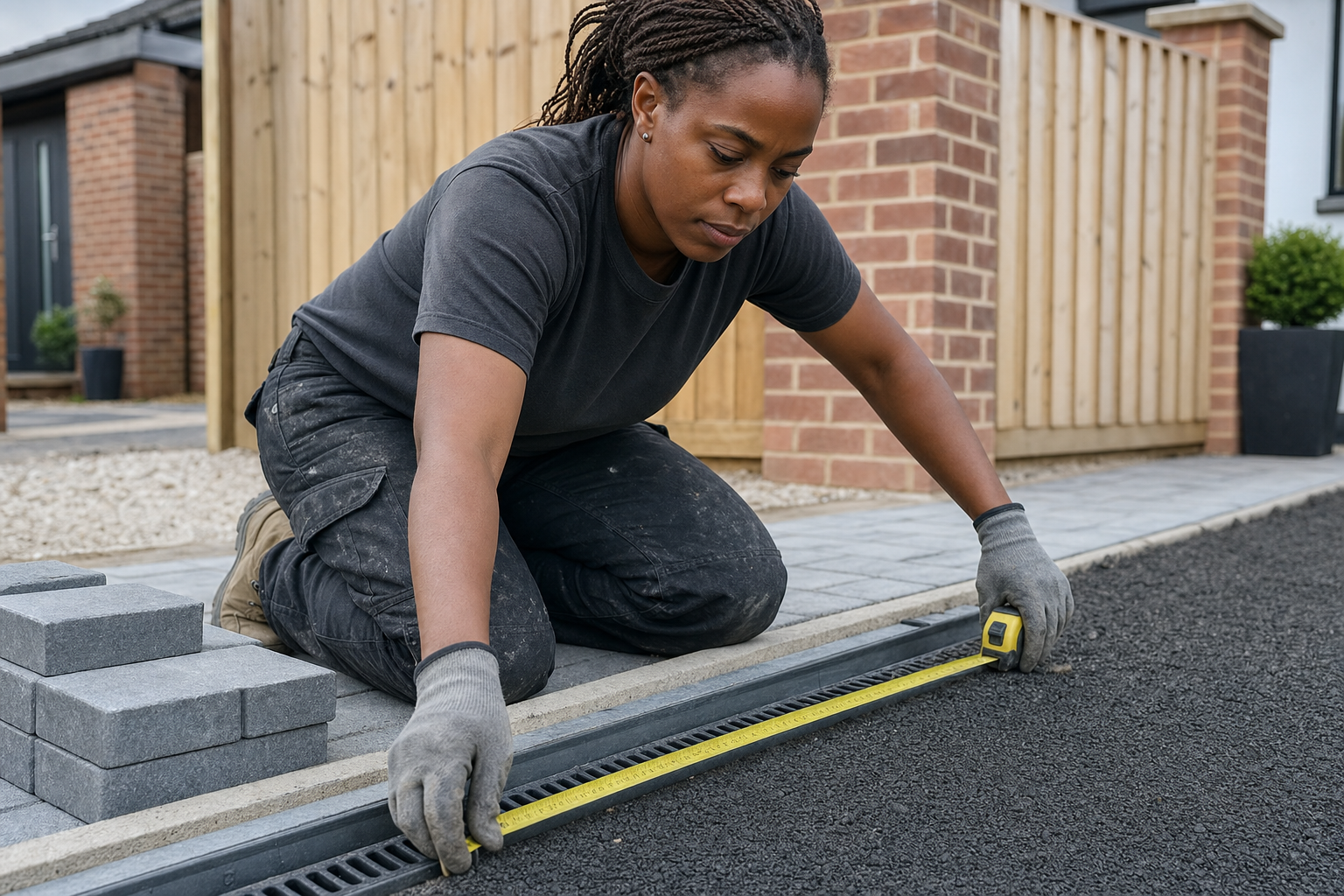
The tricky parts are often the practical ones. You may need a new driveway that works better for daily parking, fencing that finally sorts the boundary, or drainage work because water keeps hanging about where it should not. We carry out the work on site in Kingston upon Thames, so the conversation starts with how the property is laid out rather than a one-size-fits-all estimate. With Royal Landscapes, driveway installation, fencing installation and garden drainage can be handled as separate jobs or coordinated where access, boundary lines and surface water all affect each other.
What we need to know about the site
Old-material removal, parking restrictions, narrow side routes and changes in gradient can all shape how a Kingston upon Thames project is planned. Drainage concerns also need a proper look before new surfaces or fence lines are set, because the ground rarely keeps secrets for long. A project through Royal Landscapes starts with the details you can tell us on the phone, including access width, photos, boundary condition and where deliveries or machinery could sensibly go.
Frequently asked questions
What should I mention on a Kingston upon Thames call?
It helps to say whether the main job is the driveway, fencing or drainage, then add details on parking restrictions, side access, old material removal and any standing water or slope issues. Those points shape how we judge the site before any visit is arranged.
Can drainage work be combined with a new drive or fence?
Yes, and sometimes it should be. If new surfaces, levels or boundary lines are part of the project, it often makes sense to consider water movement at the same time rather than put the visible finish in first and discover the wet ground has simply moved elsewhere.
Do you need photos before discussing the job?
They are not essential for the first call, but they are very useful. Photos can show the current condition, the access routes and any obvious boundary or drainage issues, which helps us have a more practical conversation about the likely scope of work.